Meet The Hive

What is the LDOS “Hive”?

While some radio shows have writer/editor "staffs," we consider the Loh Down on Science to be run by a "Hive." The term was coined to invoke a community mentality where the ideas of the writers and editors are copacetic with that of Sandra Tsing Loh, our Queen Bee and program host. (Sandra's note, delivered in eerie third person: "From LDOS' first day with the fine grad students at UC Irvine (Zot Zot!), it was clear that Sandra was in exceptional company. The LDOS Fellows' mastery of everything ranging from the subtle differences of "absorption" versus "adsorption" to the intricacies of Google drives made them hyper-capable of organizing themselves. Sandra typically just brings doughnuts.") This form of "Hive" mind management enables the Loh Down on Science to continually produce radio-ready scripts that are both scientifically accurate and a loads of fun to hear. Buzz Buzz!

* denotes writers who are current managing editors of the Hive.

Looking for a former writer? Check out our hive emeriti!

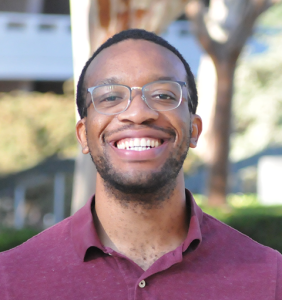
Degrees Expected Graduation in Spring 2026 Biography Why is science communication important to you personally? As an aspiring biostatistician, I
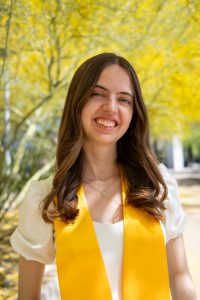
Degrees Expected Graduation in Spring 2027 Biography Why is science communication important to you personally? Science communication is essential when
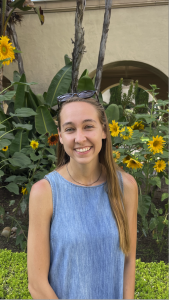
Degrees Expected Graduation in Fall 2026 Biography Why is science communication important to you personally? I am interested in becoming
Degrees Expected Graduation in Spring 2029 Biography Why is science communication important to you personally? As someone studying genetics, I
Degrees Expected Graduation in Spring 2027 Biography Why is science communication important to you personally? After completing my PhD, I
Degrees Expected Graduation in Summer 2027 Biography Why is science communication important to you personally? As a researcher on environmental
Degrees Expected Graduation in Spring 2030 Biography Why is science communication important to you personally? In 5–10 years, I hope
Degrees Expected Graduation in Fall 2026 Biography Why is science communication important to you personally? In 5–10 years, I hope
Degrees Expected Graduation in Fall 2025 Biography Why is science communication important to you personally? In the next 5–10 years,
Degrees Expected Graduation in Summer 2025 Biography Alyssa earned her bachelor’s degree in Animal Sciences from Rutgers University in New
Degrees MS; PhD Expected Summer 2025 Research I am really interested in how drugs affect the brain and behavior. More
Degrees PhD in Microbiology and Molecular Genetics (2027 expected) Master of Science in Microbiology and Immunology (2017) Research Meggie studies
Degrees PhD in Cellular and Molecular Biosciences (Expected 2029) Research My research focuses on developing and optimizing vaccine formulations using
Degrees Ph.D, Neurobiology and Behavior, UC Irvine (expected 2029) Research Using human neuroimaging to study Alzheimer's disease Biography Julie first
Degrees BS, BA, MS, PhD Expected Graduation in 2028 Research Development of protective vaccines against infectious disease and cancer Biography
Degrees Ph.D. Neurobiology & Behavior (expected 2026) B.S. Biological Sciences (2018) Research Dominic studies neuroimmunology with the effects of mouse
Degrees M.D., UC Irvine, 2028 (expected) Ph.D. Physiology and Biophysics, UC Irvine, 2026 (expected) B.S. Microbiology, UC Santa Barbara, 2015
Degrees MD. (UCI, expected 2027) Ph.D Physiology and Biophysics (UCI, expected 2025) BS Biochemistry (UCLA, 2018) Research Emily studies how
Degrees Ph.D. Physiology and Biophysics, University of California, Irvine, 2026 (expected) B.S. Biochemistry, Biola University, La Mirada, 2020 Research Emily

Alycia Edquilang

Degrees

Expected Graduation in Spring 2026

Biography

Why is science communication important to you personally?

Click here for Loh Downs by Aly!

Veronica Woo

Degrees

Expected Graduation in Spring 2027

Biography

Why is science communication important to you personally?

Click here for Loh Downs by Veronica!

Minh-Anh Dinh

Degrees

Expected Graduation in Fall 2026

Biography

Why is science communication important to you personally?

Click here for Loh Downs by Minh-Anh!

Garnet Phinney

Degrees

Expected Graduation in Spring 2029

Biography

Why is science communication important to you personally?

Click here for Loh Downs by Garnet!

Emily Poulin

Degrees

Expected Graduation in Spring 2027

Biography

Why is science communication important to you personally?

Click here for Loh Downs by Emily!

Donghui Ma

Degrees

Expected Graduation in Summer 2027

Biography

Why is science communication important to you personally?

Click here for Loh Downs by Donghui!

Casey Vanderlip

Degrees

Expected Graduation in Spring 2030

Biography

Why is science communication important to you personally?

Click here for Loh Downs by Casey!

Ashley Urrutia Avila

Degrees

Expected Graduation in Fall 2026

Biography

Why is science communication important to you personally?

Click here for Loh Downs by Ashley!

Anjaney Gulavani

Degrees

Expected Graduation in Fall 2025

Biography

Why is science communication important to you personally?

Click here for Loh Downs by Anjaney!

Alyssa Rodriguez

Degrees

Expected Graduation in Summer 2025

Biography

Alyssa earned her bachelor’s degree in Animal Sciences from Rutgers University in New Jersey. After deciding not to go to veterinary school post-grad, Alyssa joined a postbaccalaureate program at the National Institute on Aging (NIA) in Baltimore to study age-related cognitive impairments. Her work at NIA led her to pursue a Ph.D. in the department of Neurobiology and Behavior in Dr. Marcelo Wood’s lab. Her thesis work focuses on the molecular mechanisms underlying long-term memory formation and strategies to maintain cognitive well-being. Outside of research, Alyssa enjoys anything snail-related, dancing, and independent bookstores.

Why is science communication important to you personally?

Click here for Loh Downs by Alyssa!

Malia Bautista

Degrees

MS; PhD Expected Summer 2025

Research

I am really interested in how drugs affect the brain and behavior. More specifically, I am interested in how different brain regions might impact nicotine relapse.

Biography

My name is Malia Bautista, and I am a fifth year PhD Candidate in Christie Fowler's lab at UCI. I have a wonderful husband and two beagles that definitely keep me on my toes!

Why is science communication important to you personally?

Click here for Loh Downs by Malia!

Meggie Danielson

Degrees

PhD in Microbiology and Molecular Genetics (2027 expected)
Master of Science in Microbiology and Immunology (2017)

Research

Meggie studies cancer immunotherapy using bacteria!

Biography

Although originally from Vermont, Meggie has traveled to both East and West coasts to pursue her passion for research in immunology! From 2018 through 2022, she studied the immune response to early phase cancer treatments at Thomas Jefferson University in Philadelphia. This led to her appreciation for immunotherapeutic techniques to treat a variety of diseases, including cancer! At UCI in the Burke lab, Meggie is focusing on how bacteria can be used to fight cancer be reshaping the unique immune environment in solid tumors. For fun, Meggie enjoys cooking with her partner, finding the craziest hikes with her dog, and enjoying a peaceful picnic in the mountains.

Why is science communication important to you personally?

Click here for Loh Downs by Meggie!

Mariam Mohagheghi

Degrees

PhD in Cellular and Molecular Biosciences (Expected 2029)

Research

My research focuses on developing and optimizing vaccine formulations using platforms such as nanolipoprotein particle and mRNA-lipid nanoparticle technologies to elicit robust humoral and cellular immune responses.

Biography

I got my Bachelor's degree in Biochemistry from the University of New Mexico. I then moved to Omaha, Nebraska to study and complete a Clinical Anatomy & Medical Sciences Master of Science program at Creighton University. I spent the next couple of years studying and optimizing vaccine candidates in the Bay Area at Lawrence Livermore National Laboratory. I am currently a first-year PhD student in Molecular Biology. Outside of research, I enjoy pilates, coffee, and spending time with friends, family, and my cat!

Why is science communication important to you personally?

Click here for Loh Downs by Mariam!

Julie Loritsch

Degrees

Ph.D, Neurobiology and Behavior, UC Irvine (expected 2029)

Research

Using human neuroimaging to study Alzheimer's disease

Biography

Julie first got her bachelor's degree in Neurobiology at the University of California, Irvine. She decided to stay at UCI to pursue a PhD in Neurobiology and Behavior in the School of Biological Sciences. She is interested in identifying preclinical markers for cognitive impairment and Alzheimer's diseases using neuroimaging, plasma biomarkers, and neuropsychological exams. In her free time, Julie enjoys reading, crocheting, trying out new eateries with friends, and hanging out with her cat.

Why is science communication important to you personally?

Click here for Loh Downs by Julie!

Arjun Nair

Degrees

BS, BA, MS, PhD Expected Graduation in 2028

Research

Development of protective vaccines against infectious disease and cancer

Biography

Arjun Nair joined the Wagar lab as a PhD student in Summer 2024. He graduated from the University of Pennsylvania's Roy and Diana Vagelos Program in Life Sciences and Management as a University Scholar Fellow. Arjun holds a Bachelor of Arts in Biology from the College of Arts and Sciences and a Bachelor of Science in Economics from the Wharton School of Business. Before starting his PhD, Arjun worked as an investment banker and consultant to the biotech industry at Locust Walk Partners. He earned his Master’s in Biomedical Sciences from the Icahn School of Medicine at Mount Sinai. His thesis, under the guidance of under Dr. Andrew Ji, focused on the role of fibroblasts in skin diseases. Arjun is particularly interested in immunology and using advanced genomic tools to understand protective vaccination determinants and B/T cell receptor diversity. Beyond academics, he enjoys sports, the outdoors, and learning about music production.

Why is science communication important to you personally?

Click here for Loh Downs by Arjun!

Dominic Javonillo*

Degrees

Ph.D. Neurobiology & Behavior (expected 2026)
B.S. Biological Sciences (2018)

Research

Dominic studies neuroimmunology with the effects of mouse coronavirus infection towards aging and Alzheimer's Disease in mouse brains.

Biography

Dominic earned his B.S. in Biological Sciences from University of California, Irvine. After graduating, he worked with a UCI team in developing and profiling new mouse models to study Alzheimer's Disease. Now, he is a PhD Student with the UCI Department of Neurobiology and Behavior at UCI School of Biological Sciences. He has entered the field of neuroimmunology, which focuses on interactions between the immune system and the nervous system. Dominic's research interests center around the coronavirus infection within the brain of both old mice and mice susceptible to Alzheimer's Disease. Beyond the bench, Dominic enjoys traveling, reading, exploring eateries, and listening to podcasts.

Why is science communication important to you personally?

Scientists need to do a better job of engaging with communities that they are trying to target through their research. Bridging the science community with members of the public, especially community leaders, can potentially strengthen trust and interpersonal connections within biomedical research. Creating science that impacts society does not just involve the scientists. It is an active, collaborative effort with community members to address questions that concern both these populations and scientists together. As science is moving towards diversifying its workforce, science engagement and communication is a first-step in developing new ideas, bridging multiple disciplines, and inviting the public in on the scientific process.

Click here for Loh Downs by Dominic!

Maximillian Lin*

Degrees

M.D., UC Irvine, 2028 (expected)
Ph.D. Physiology and Biophysics, UC Irvine, 2026 (expected)
B.S. Microbiology, UC Santa Barbara, 2015

Research

I study factors that contribute to the development of anxiety and depression-related behaviors as well as resilience. I have a particular interest in sex-specific differences of the stress response.

Biography

I was born and raised in the San Francisco Bay Area but have slowly been migrating down the California coast. I attended UC Santa Barbara as an undergraduate and am now an MD/PhD student at UC Irvine. I am currently a graduate student researcher in Kevin Beier’s lab. In my free time, I enjoy being active, exploring new cities, and rooting for the San Francisco 49ers.

Why is science communication important to you personally?

Click here for Loh Downs by Max!

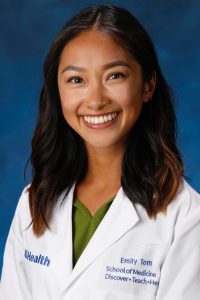
Emily Tom*

Degrees

MD. (UCI, expected 2027)
Ph.D Physiology and Biophysics (UCI, expected 2025)
BS Biochemistry (UCLA, 2018)

Research

Emily studies how aging affects the light-sensitive part of our eyes.

Biography

Emily received her BS in biochemistry from UCLA in 2018, where she conducted research in Dr. Genhong Cheng’s lab, studying host-pathogen interactions and immune response against viral and bacterial infections. Prior to entering medical school, she worked as an ophthalmic technician in Los Angeles, where she developed her interests in the eye, visual system and ophthalmic diseases. She is now a third-year MD/PhD student in Dr. Dorota Skowronska-Krawczyk's lab in the Center for Translational Vision Research studying lipid metabolism and molecular mechanisms of aging in the retina. In her free time, she enjoys running, baking, and hanging out with her 12-pound Maltese Yorkie, Ninja.

Why is science communication important to you personally?

As an aspiring physician-scientist, my goal is to bridge the gap between science and medicine by translating scientific discoveries made in the lab into therapeutic applications that can treat human disease. This goal cannot be achieved without the ability to communicate these exciting discoveries to a broader audience with varying scientific backgrounds. Having mentored several high school and undergraduate students, I am passionate about teaching and promoting science education. With effective science communication, I believe that we can empower individuals and communities with improved informed decision-making and make science more inclusive.

Click here for Loh Downs by Emily!

Emily Silzel

Degrees

Ph.D. Physiology and Biophysics, University of California, Irvine, 2026 (expected)
B.S. Biochemistry, Biola University, La Mirada, 2020

Research

Emily studies lipid nanoparticle vaccines with the goal of making specific tissue-targeting vaccines.

Biography

Emily studied biochemistry in her undergraduate education but realized she had much more “chemistry” with the biology side of her degree. She originally joined UCI as a lab technician to measure human SARS CoV-2 antibody responses via protein microarray in Dr. Philip Felgner’s lab. This led to a fascination with the mRNA lipid nanoparticle vaccine formulation, from which Emily has based her new Ph.D. research project. She works on lipid nanoparticle vaccine formulations traveling to target tissues, ideally to reduce dosing and side effects while improving efficacy. When not in the lab, Emily can be found hanging out with her four pets, listening to synth rock while running, or carrying too many books out of the fiction section of one of her local libraries.

Why is science communication important to you personally?

One of the most critical aspects of being a scientist is being able to communicate one’s ideas and findings. To have community support or funding, being able to relay even the most complex of topics to the public promotes a safer and healthier community through understanding and critical thinking. I firmly believe that if everyone understands current advances, then everyone has the chance to make recommendations and suggestions towards advancing research. Scientists lose the input of much of the population when their current data are inaccessible to the community. Scientific communication becomes a bridge for scientists and public alike in moving forward toward a healthier, safer, and more informed world.

Click here for Loh Downs by Emily!