
Talk about deep, deep trouble.
This is Sandra Tsing Loh with the Loh Down on Science.
Contaminated soil doesn’t recover overnight. Pollution is stubborn. But belowground, nature has already begun the cleanup. How?
Enter Danielle Stevenson and team at the Center for Applied Ecological Remediation. They collected soil samples from superfund sites in California, and examined the plants, fungi, and bacteria living there.
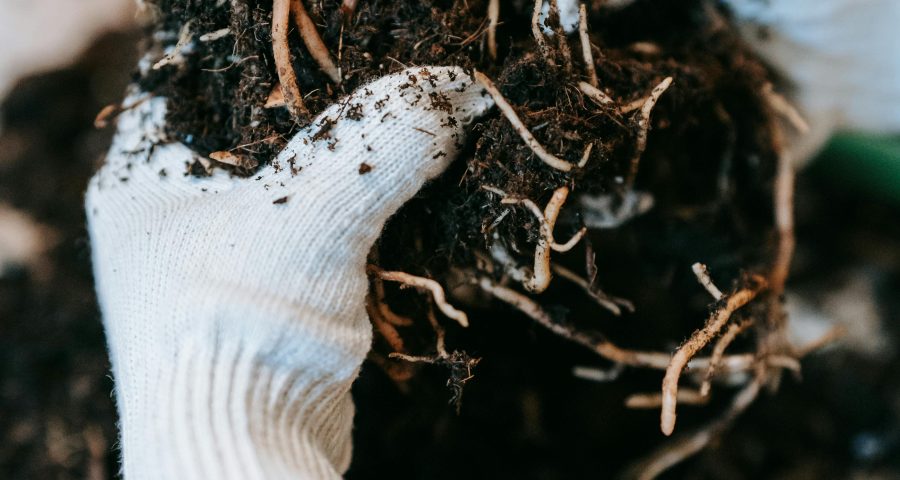
Findings? Microbes living around plant roots can help transform or stabilize contaminants like lead, making them less harmful.
Plants aren’t just growing in soil — they’re teaming up with microbes to eat pollution.
Together, they offer a natural and sustainable way to heal contaminated land.
Looks like the tiniest teammates are doing some pretty heavy lifting.
Reference: Stevenson, D., Maltz, M. R., Kurbessoian, T., Shapiro, N., Freund, L., Aronson, E. L., Stajich, J. E., & Ying, S. C. (2025). Soil drivers of fungal, bacterial and plant diversity in contaminated Southern Californian sites: Implications for dryland bioremediation. Science of the Total Environment, 1000, 180357. https://doi.org/10.1016/j.scitotenv.2025.180357